Behind the Listing: How the Lana Ultra 2 Reaches Your Door in Singapore
You tap checkout, the confirmation screen appears, and then nothing visible happens for a while. That gap between payment and doorstep is where most of the retail work lives. For anyone shopping for a marbo 25k or a Lana Ultra 2 in Singapore, understanding what happens behind the listing makes the wait feel shorter and the buying decision sharper. This walkthrough follows a single disposable from the moment an order is placed to the moment a courier hands it over, one stage at a time.
The Order Lands in the System
When a customer confirms a purchase on an online vape store, the order does not go straight to a shelf picker. It first passes through an order management layer that checks three things: whether the item is in stock, whether the delivery address falls inside the service zone, and whether the chosen payment method has cleared. Cash on delivery adds a step here because the store must flag the order for a courier who can collect payment at the door, which affects which delivery slot it can be assigned to.
This is also where the listing page stops being marketing and becomes data. The product title, the variant selected, the puff count and the flavour all get converted into a stock-keeping unit. A customer browsing for a marbo vape 25k might see one clean product page, but the warehouse sees a specific SKU tied to a specific shelf position. If that SKU is low, the order may be held for a restock rather than cancelled, which is why some confirmations arrive with a slightly longer estimate than the listing promised.
Payment verification is the quiet bottleneck. Card payments clear almost instantly, but bank transfers and COD orders need a manual or semi-automated check. Stores that handle high volumes of COD tend to build this into their workflow rather than treat it as an exception, because in the Singapore market a large share of buyers still prefer to pay when the parcel arrives.
Stock, Shelves and the Reality of Puff Counts
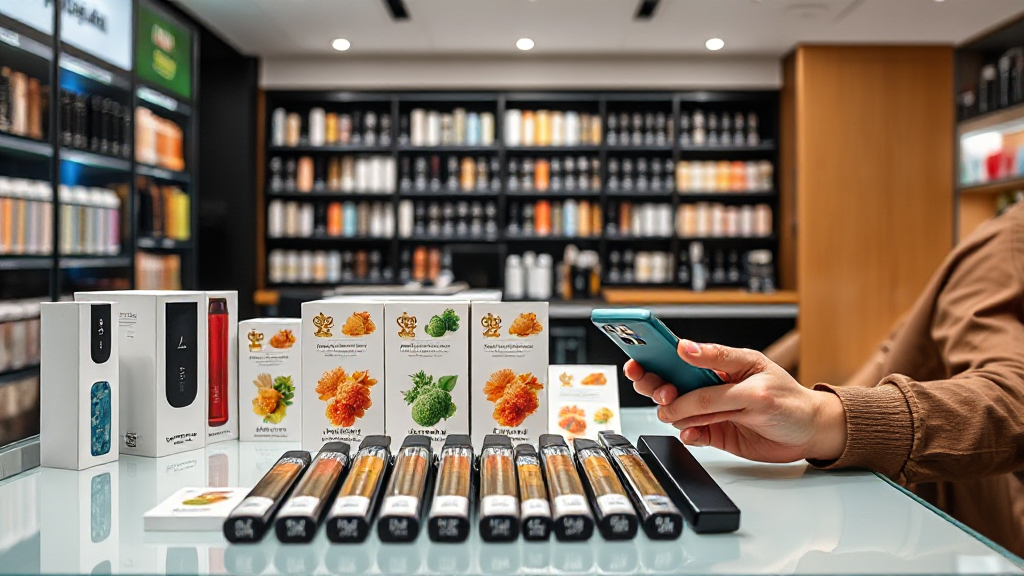
Once an order is confirmed, the warehouse side begins. Disposable vapes are small, light and easy to store, but they are not stored randomly. High-turnover devices sit near the packing stations, while slower-moving or bulkier items sit further back. A device like the lana ultra 2 typically earns a forward position because it moves quickly and customers expect it to ship same-day.
Puff count is the organising principle behind much of this shelving. A 25,000-puff device and a 9,000-puff device occupy similar physical space but serve different buyers, so they are grouped by demand pattern rather than by brand alone. A compact option such as the lana pen plus 9k appeals to someone testing a flavour or wanting something pocketable, while a higher-capacity device appeals to a buyer who wants fewer reorders. The store stocks both because the same customer often buys across categories over time.
Inventory accuracy is the unglamorous backbone of all this. Every pick, return and damaged unit has to be reconciled, or the listing will show stock that does not exist. When a product page says an item is available, that claim is only as good as the last stock count. This is why reputable retailers publish realistic availability rather than optimistic availability, and why a sold-out badge is a feature, not a failure.
Pricing, Margins and Why Some Devices Cost More
Pricing a disposable is not simply cost plus a fixed markup. Several factors push the number up or down: import and handling costs, the wholesale price at the time of purchase, the puff capacity, and how competitive that specific segment is. A 25k device sits in a crowded tier, so pricing there is tight. A niche or premium variant such as the lana pix 20k may carry a slightly different margin because it competes on design and flavour range rather than pure capacity.
Currency and batch timing matter more than shoppers expect. Stock bought in one batch may have landed at a different cost than stock bought a month later, and stores generally price by current replacement cost rather than historical cost. That is why a listing can shift by a dollar or two without any change to the product itself. It is also why bundle pricing and multi-unit discounts appear: they let the store move volume while keeping the per-unit margin workable.
Transparency helps here. A store that explains its delivery fees, COD handling and any minimum order value upfront avoids the awkward moment at the door when a customer discovers an extra charge. The best listings read like a short contract: what you pay, what you get, and when it arrives.
Picking, Packing and Discreet Packaging
Picking is the most human part of the chain. A staff member walks the aisles with a pick list, scans each SKU, and places items in a tote. For a single-device order this takes under a minute; for a multi-item order it takes longer because each line has to be verified against the order. Errors here are expensive, so most warehouses build in a second scan at the packing bench.
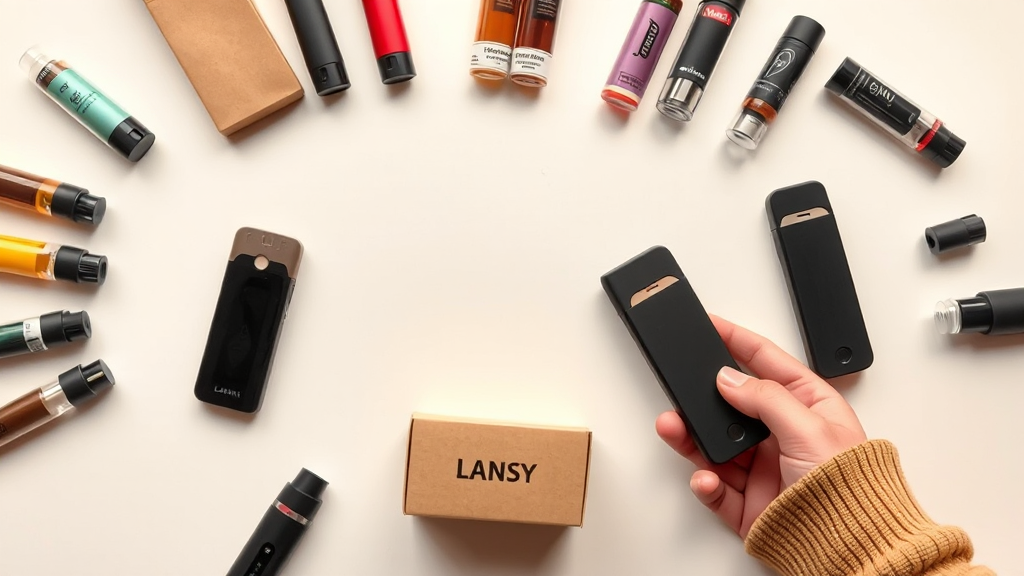
Packing is where discretion becomes a design decision. Disposable vapes ship in plain outer packaging with no product branding on the exterior, and the label carries only what the courier needs. This protects privacy and reduces the chance of a parcel being identified in transit. It also means the box you receive looks unremarkable, which is exactly the point.
Fragile handling is lighter than it sounds. These devices are robust enough for normal shipping, but they still get padding when combined with accessories. If an order includes something like a snowwolf 16k alongside other items, the packer will separate them so nothing presses against a mouthpiece or charging port. Small details like this are rarely mentioned on a product page, but they are the difference between a device that arrives working and one that does not.
Order accuracy also depends on how well the listing describes variants. A flavour name that is ambiguous on the page becomes a wrong-item pick in the warehouse. Clear variant naming is not just good SEO; it is operational hygiene.
Handover to the Courier and the Last Mile
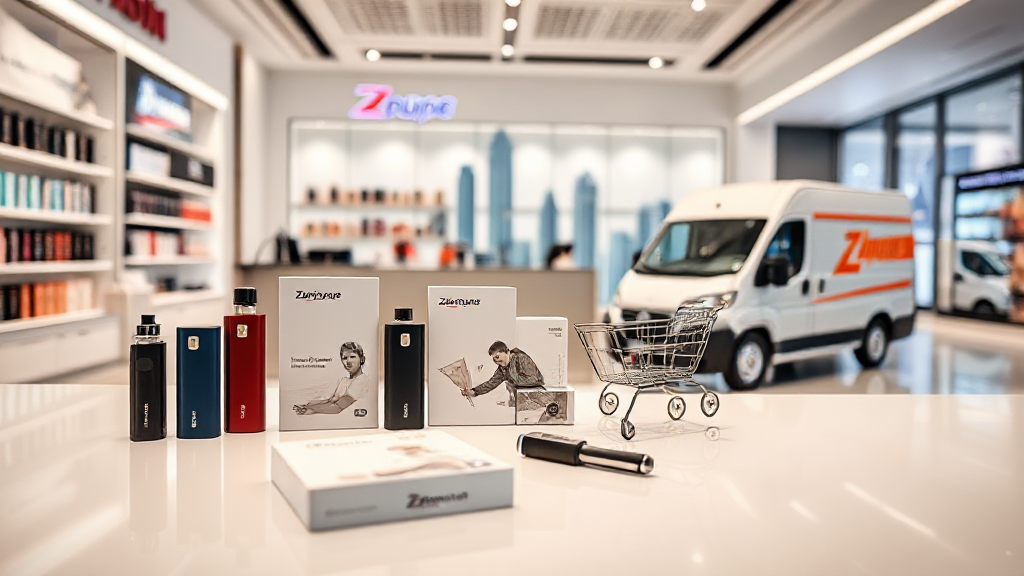
Once packed, the parcel enters the delivery network. In Singapore, last-mile delivery is fast and highly scheduled, which is why same-day and next-day windows are realistic for most addresses. The courier receives a route, a time window and, for COD orders, a collection amount. The store’s job is to make sure the parcel is ready before the route is locked, because a late handover pushes the whole route back.
This is the stage where customers feel the most friction. A missed delivery means a reattempt, and a reattempt costs everyone time. Stores reduce this by sending tracking updates and by offering flexible windows where possible. Cash on delivery adds a small risk: if the customer is not home, the courier cannot complete the transaction, so the parcel returns to the hub. That is why some retailers confirm COD orders by message before dispatch.
Product variety complicates routing slightly. An order for a lana pix is a single small parcel, easy to route. An order that mixes categories, such as a disposable plus a pack of heated tobacco sticks like terea singapore stock, may need slightly different handling because the items have different storage and compliance considerations. Good stores keep these rules internal and present a single, simple delivery promise to the buyer.
What Happens After Delivery
The handover is not the end of the process. A completed delivery triggers a status update, a payment reconciliation for COD orders, and a feedback loop back into inventory. If a customer reports a faulty device, the return is logged against the SKU, and repeated issues on the same batch can prompt a supplier review. This is how a store learns which products to keep and which to drop.
For the shopper, the practical takeaway is that a product listing is a promise backed by a chain of small, unglamorous steps. The device you order, whether it is a 25k-capacity disposable or a compact 9k option, only reaches your door because stock, pricing, packing and routing all line up. When you next click buy on a marbo 25k or any comparable device, you are not just buying hardware. You are buying a sequence of decisions that a retailer has to get right, in order, every single day. Understanding that sequence makes you a better shopper, and it makes the wait between checkout and doorstep far less mysterious.