Fossa Séptica Care for Vila Prudente Properties Off the Grid
In many older Vila Prudente backyards, a concrete lid sits flush with the ground, half-hidden by grass or a loose paving stone. If your property is not connected to the main sewer grid, that lid is the only access point to a septic system that quietly handles everything your household flushes and drains. The question that matters is simple: when was it last opened, and do you know what condition it is in?
For homeowners in this situation, the right help often comes from a specialist who understands both the tank and the pipes feeding it. A reliable desentupidora São Bernardo do Campo SP can inspect, pump, and clear the entire on-site system, not just the toilet line. This article walks through how the tank works, when to schedule pumping, the warning signs you should never ignore, and what actually happens during a service visit.
How an On-Site Septic Tank Works
A septic tank is a buried, watertight container, usually made of concrete, fiberglass, or plastic. It receives all wastewater from toilets, sinks, showers, and laundry. Inside, the flow slows down so heavy solids settle to the bottom as sludge while fats, oils, and grease float to the top as scum. The middle layer, clearer wastewater, flows out into a drain field or infiltration system.
Bacteria naturally break down part of the organic matter, but they cannot handle everything. Sludge accumulates over time, and the available volume for separation shrinks. When that happens, solids escape into the drain field, clogging the soil and creating a much more expensive problem than a routine pump-out.
The three layers inside the tank
- Sludge: dense solids that sink and must be pumped out periodically.
- Scum: grease and light materials that float and can block the outlet.
- Effluent: the clearer liquid that leaves the tank for final treatment in the soil.
Understanding these layers helps you see why pumping is not just about removing “dirty water.” It is about restoring the retention time the tank needs to do its job.
When to Pump: Intervals and Practical Rules
There is no single calendar answer, but household size and tank volume drive the math. A common rule of thumb is to pump when the sludge and scum layers together take up roughly one-third of the tank’s depth. For a typical family of four with a well-sized tank, that often means every three to five years. A larger household, heavy water use, or a smaller tank shortens that interval.
Properties in Vila Prudente that rely on older concrete tanks may have less accurate records. If you cannot remember the last pumping, treat it as overdue and book an inspection. A professional desentupidora em São Bernardo do Campo SP can measure the layers and tell you whether pumping is needed now or can wait.
Factors that shorten the interval
- More than four people living in the home.
- Frequent use of a garbage disposal or heavy cooking grease.
- High-volume laundry days that send surges of water into the tank.
- Use of antibacterial cleaners that reduce the bacterial population.
Keeping a simple log of pumping dates and any repairs is one of the most useful habits an off-grid homeowner can adopt. It turns guesswork into a maintenance plan.
Warning Signs Your Septic System Needs Attention
Septic problems rarely appear without warning. Slow drains across multiple fixtures, gurgling sounds in toilets, or sewage odors around the yard are early signals. Dark, soggy patches of grass above the drain field, or standing water after dry weather, suggest the soil is saturated and the system is failing to absorb effluent.
Inside the house, backups at the lowest drains, repeated clogs in the same fixture, or a toilet that bubbles when the washing machine runs all point to a restricted flow. Ignoring these signs can lead to sewage surfacing in the yard or backing up into the home, which is both a health hazard and a costly cleanup.
What not to do when you notice a problem
Do not pour chemical drain openers into a septic system. They can kill the bacteria the tank depends on and may damage components. Do not open the tank lid yourself without proper safety equipment, because gases inside can be dangerous. And do not ignore a persistent odor, since it often indicates a blocked vent or a full tank.
When warning signs appear, a prompt call to a desentupidora São Bernardo do Campo is the safer route. Trained technicians can locate the tank, check the inlet and outlet, and clear blockages before they escalate.
What a Professional Septic Service Visit Involves
A service visit usually starts with locating the tank and its inspection ports. The technician measures the sludge and scum layers, checks for cracks or root intrusion, and inspects the outlet and drain field. If pumping is needed, a vacuum truck removes the contents, and the tank is rinsed and checked again.
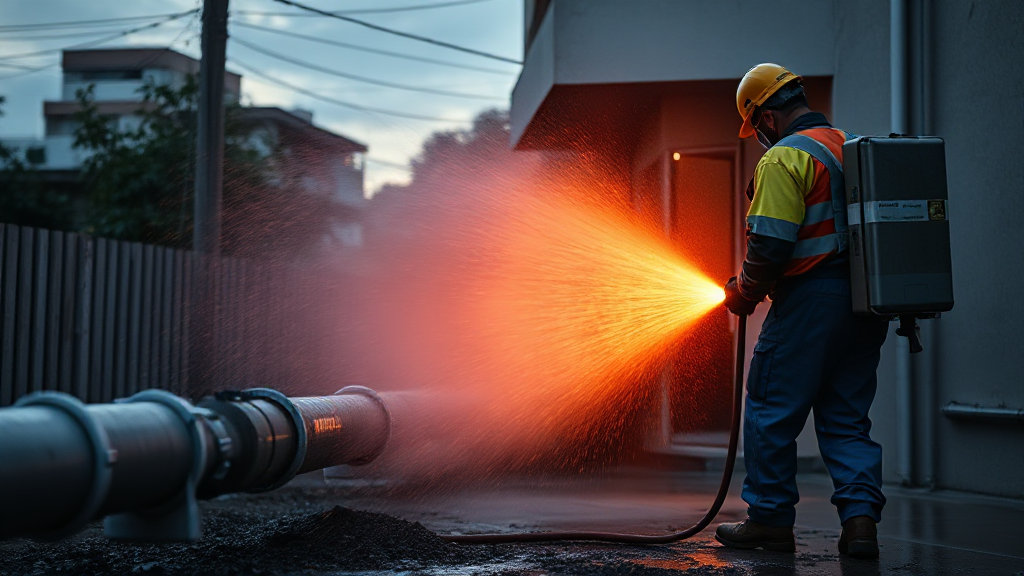
If the problem is a blockage rather than a full tank, the technician may use a drain snake or hydro-jetting equipment to clear the line without damaging the pipes. After the work, you should receive guidance on pumping intervals, what not to flush, and how to monitor the system between visits.
Questions to ask during the visit
- How full were the sludge and scum layers?
- Is the drain field absorbing properly?
- When should I schedule the next pumping?
- Are there any repairs I should plan for?
For properties with older plumbing or frequent clogs, a preventive maintenance plan is often worth it. It costs less than emergency repairs and keeps the system predictable.
Frequently Asked Questions
How often should a septic tank be pumped in Vila Prudente?
Most homes need pumping every three to five years, but household size, water use, and tank condition change that. An inspection is the only reliable way to know.
Can I use regular cleaning products with a septic tank?
Moderate use of standard products is usually fine, but avoid antibacterial cleaners and chemical drain openers in large amounts. They can disrupt the bacteria that break down waste.
What causes a septic smell in the backyard?
Common causes include a full tank, a blocked vent pipe, or a saturated drain field. A professional inspection can identify the source and recommend the right fix.
Is hydro-jetting safe for older pipes?
When performed by trained technicians with adjustable pressure, hydro-jetting is safe for most older pipes. It is often preferred over harsh chemicals because it clears grease and roots without damaging the system.